

MYOBRACE FOR KIDS, QUEENS NY
Correcting the Habits Behind Crooked Teeth
Most crooked teeth are not caused by bad luck. They are caused by habits that develop in early childhood and quietly shape the jaw while it is still forming. Myobrace works on those habits directly, for children ages 6 to 10, while there is still time to change the outcome.
Why Queens Families Choose Myobrace at SimpliBraces
Dr. Yelizar offers Myobrace as part of a broader early treatment philosophy: address the cause, not just the symptom. For children between ages 6 and 10, the jaw is still growing and habits can still be changed with guided effort. Intervening now can reduce or eliminate the need for more extensive orthodontic treatment later.
Myofunctional Orthodontic Therapy for Children in Queens
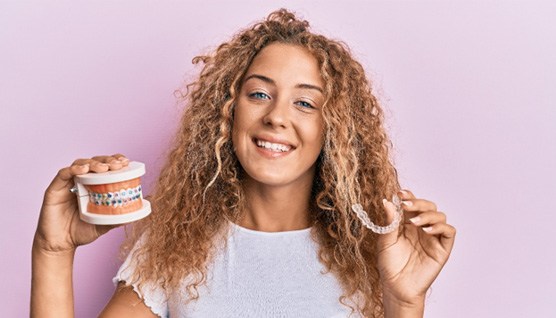
If your child breathes through their mouth, pushes their tongue against their teeth when swallowing, or has crowded baby teeth, these are not random findings. They are signs of oral muscle habits that, left uncorrected, will affect how the jaw grows and how adult teeth come in. Dr. Yelizar offers Myobrace at SimpliBraces in Rego Park as a way to correct those habits during the years when correction is most effective.
What Is Myobrace and Why Does It Exist?
The standard answer to crowded or misaligned teeth has always been braces: wait until the permanent teeth come in, then move them into position. Myobrace asks a different question. Why did the teeth come in that way to begin with?
In most cases, the answer is a set of oral habits and muscle patterns that develop in early childhood. When a child breathes through their mouth instead of their nose, the tongue rests low in the mouth rather than pressing gently against the palate. That tongue pressure is what naturally widens the upper jaw as a child grows. Without it, the jaw narrows, the palate heightens, and there is not enough space for adult teeth to come in straight.
Myobrace is a system of soft, removable appliances worn during sleep and for one to two hours each day. It is designed to correct the resting posture of the tongue, train proper nasal breathing, and guide jaw development during the years when that guidance can actually change the outcome. It pairs the appliance with a structured set of exercises, called Myobrace Activities, that retrain the muscles over time.
Signs Your Child Might Benefit from Myobrace
Myobrace is most effective for children between ages 6 and 10, while the jaw is still actively developing. You do not need a diagnosis to book a consultation, but here are the signs Dr. Yelizar looks for:
Mouth breathing at rest. If your child's mouth is open when they are relaxed, sleeping, or watching TV, that is one of the clearest signals. Mouth breathing is both a cause and a consequence of poor oral muscle function, and it has effects well beyond the teeth.
Crowded or crooked baby teeth. Primary teeth are a preview. If there is crowding before the adult teeth even arrive, the jaw likely is not developing the space it needs.
Tongue thrust or open-mouth swallowing. A normal swallow keeps the tongue pressed against the roof of the mouth. When children push the tongue forward against the teeth instead, it affects tooth position over time.
Thumb sucking or prolonged pacifier use. These habits alter how the palate forms. Myobrace can help reverse some of that effect if caught early enough.
Snoring or restless sleep. Airway function and oral muscle development are closely connected. Children who snore, grind their teeth, or sleep poorly often have underlying muscle and breathing patterns that Myobrace addresses.
How Myobrace Treatment Works at SimpliBraces
The first step is a consultation with Dr. Yelizar, where he evaluates your child's jaw development, breathing patterns, and muscle function to determine whether Myobrace is a good fit. If it is, treatment typically unfolds in phases.
Your child will wear a soft, flexible Myobrace appliance for one to two hours during the day and throughout the night. Unlike braces, there are no wires or brackets. The appliance works by positioning the jaw and tongue correctly during the hours when muscle memory is being formed. There is no pain involved, and most children adapt within a few weeks.
The appliance alone is only part of it. Myobrace Activities are short daily exercises your child does at home, typically a few minutes, designed to retrain the muscles of the mouth, tongue, and face. These exercises are what make the habit correction stick. Dr. Yelizar and his team guide your family through the routine at each visit and make adjustments as your child progresses.
Follow-up visits every 6 to 8 weeks allow Dr. Yelizar to monitor jaw development, confirm the exercises are being done correctly, and move to the next phase when appropriate. Full treatment typically ranges from 18 to 24 months depending on the child's age and the habits being corrected.
What Results Can Families Realistically Expect?
Myobrace works best when started between ages 6 and 9, when jaw growth is most active and muscle habits are still flexible. For many children, treatment leads to measurable improvements in jaw width, nasal breathing patterns, and the available space for adult teeth. Some go on to need little or no traditional braces. Others still benefit from braces later but for a shorter time, with less complexity, because the underlying structure improved during the Myobrace phase.
What Myobrace consistently does is address the cause. Even in cases where some orthodontic correction is still needed afterward, a child whose oral habits and muscle function have been corrected is far less likely to see their teeth shift back after treatment ends. That is a different kind of result than just moving teeth into line, and for many parents it is the more important one.
Why Choose SimpliBraces for Myobrace in Queens?
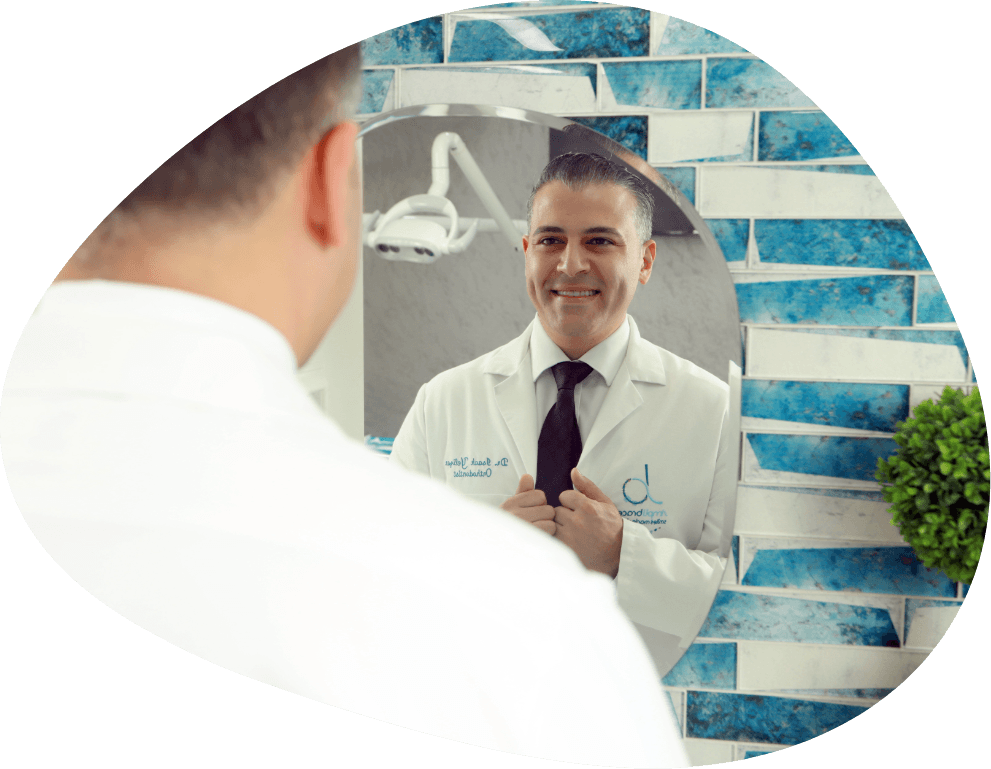
Dr. Yelizar is a board-certified orthodontist who takes early treatment seriously. He is not looking to start every child in braces as soon as possible. He is looking at whether the jaw is developing the way it should, and whether there is an opportunity to improve that trajectory before it is too late to do so easily.
Myobrace requires more from both the family and the provider than traditional orthodontics does. Dr. Yelizar and his team take the time to explain the exercises, troubleshoot what is not working, and adjust the approach when needed. SimpliBraces is located in Rego Park, convenient to Jackson Heights, Forest Hills, Elmhurst, and the surrounding Queens neighborhoods. Consultations are free and flexible financing options are available.
Get Started with Myobrace in Queens
If your child is between ages 6 and 10 and you have noticed any of the signs above, a consultation with Dr. Yelizar is the right next step. Contact our office to schedule a free consultation and find out whether Myobrace is a good fit for your child.
Hear from Patients

We started Myobrace with Dr. Yelizar when my son was 7. Two years later his breathing has improved, his jaw widened significantly, and his dentist is amazed at how the adult teeth are coming in. We are so glad we did not wait.
We are proud to offer early orthodontic care that addresses root causes, not just symptoms.
Our Affordable Payment Options
We work with families across Queens to make early orthodontic care easier to budget. Ask our team about the options below during your visit.
Frequently Asked Questions, Answered!
Have questions about Myobrace for kids in Queens? Here are answers to what we hear most often from parents. If you need more information, please contact our office.
What age is best to start Myobrace?
The ideal window is between ages 6 and 10, while the jaw is still actively growing. Starting earlier gives the treatment more time to guide development. Some children benefit from Myobrace up to age 15. Dr. Yelizar will let you know whether your child is a good candidate based on their specific development at the consultation.
Will my child still need braces after Myobrace?
Some children do not need traditional braces after completing Myobrace, especially those who start young and are consistent with the exercises. Others still benefit from a shorter course of braces to fine-tune alignment. Myobrace improves the foundation. Whether additional orthodontic work is needed depends on how the jaw develops and how the adult teeth come in. Dr. Yelizar will give you a realistic picture at each stage.
How long does my child need to wear the appliance each day?
The Myobrace appliance is worn during sleep and for one to two hours during waking hours, often while watching TV or doing quiet activities. It is not worn at school or during active play. Consistency is important. The more regularly the appliance is worn and the exercises are practiced, the better the results.
Is Myobrace covered by dental insurance?
Coverage varies by plan. Some insurance policies cover Myobrace under orthodontic or early intervention benefits. Our team will review your coverage before your first visit and help you understand exactly what to expect. We also offer flexible financing plans for families who need them.
What are the Myobrace Activities and how often does my child do them?
Myobrace Activities are a set of guided exercises that retrain the muscles of the tongue, lips, and face. They take about 10 to 15 minutes per day and are done at home. The exercises progress through stages as your child improves. Dr. Yelizar's team will demonstrate them at each visit and make sure your child is performing them correctly. This is where a lot of the real change happens.