


OVERBITE TREATMENT – QUEENS, NY
Fix Your Overbite with a Board-Certified Orthodontist in Queens
SimpliBraces provides overbite correction for children, teens, and adults across Queens using braces, clear aligners, and functional appliances to fix deep bites and improve both function and appearance.
Why Queens Patients Choose SimpliBraces for Overbite Correction
Dr. Yelizar evaluates every overbite case with precision — assessing the bite depth, jaw relationship, and underlying cause before recommending a treatment approach that addresses the problem at its source.
An Overbite Is One of the Most Common Bite Problems — and One of the Most Treatable.
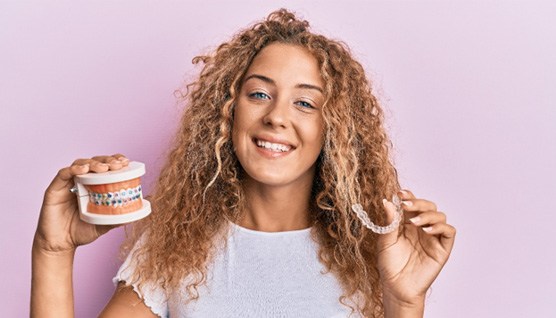
If your upper front teeth overlap your lower front teeth more than they should — or if you've been told you have a deep bite you're dealing with one of the most frequently seen bite problems in orthodontics. Dr. Yelizar is a board-certified Queens orthodontist who corrects overbites in patients of all ages, using the right combination of techniques for each case. Schedule a consultation to have your bite evaluated and understand your options.
What Is an Overbite?
An overbite refers to the vertical overlap between the upper and lower front teeth when the back teeth are closed together. Some degree of overbite is completely normal, most people have a slight overlap, and it's considered healthy when the upper teeth cover roughly 1–3 mm of the lower teeth, or about 10–20% of the lower tooth height.
The problem arises when this overlap becomes excessive. A deep bite — the clinical term for a significant overbite — occurs when the upper front teeth cover 50% or more of the lower front teeth when biting down. In severe cases, the lower teeth bite into the roof of the mouth, the gum tissue behind the upper front teeth, or are nearly hidden entirely behind the uppers.
It's also worth clarifying what an overbite is not. Overjet is often confused with overbite — overjet refers to horizontal protrusion of the upper front teeth (how far they jut forward), while overbite is the vertical measurement. Both can be present at the same time and both are correctable, but they're different problems with different treatment considerations.
What Causes an Overbite?
Overbites develop from a combination of genetic and environmental factors. Understanding the cause matters because it influences which treatment approach will be most effective.
- Genetics — Jaw size and tooth position are largely inherited. If one or both parents have a deep bite, children are more likely to develop one as well. Jaw discrepancies — particularly a lower jaw that is shorter or positioned further back than the upper — are a common genetic contributor.
- Skeletal jaw relationship — When the lower jaw is underdeveloped or positioned too far back relative to the upper jaw, the lower front teeth sit well below the upper front teeth, creating excessive vertical overlap. This type of overbite has a skeletal component and may require jaw-level correction, especially in growing patients.
- Dental factors — Sometimes an overbite is primarily dental rather than skeletal. Teeth that have erupted in positions that cause excessive overlap — without a significant jaw discrepancy — can often be corrected through tooth movement alone.
- Habits — Prolonged thumb sucking, pacifier use, or tongue thrusting in childhood can contribute to bite changes that deepen the overbite over time.
- Missing back teeth — The back teeth serve as vertical stops that keep the bite from closing too far. When back teeth are missing and not replaced, the front teeth can over-erupt and the overbite can deepen progressively.
Why Overbites Shouldn't Be Left Untreated
A mild overbite is normal. A significant deep bite — left uncorrected — carries real risks that extend beyond aesthetics:
- Enamel wear — When the lower front teeth bite too far up behind the upper teeth, they contact areas that aren't designed for that pressure. Over time, this can cause significant enamel wear on the lower front teeth and on the back surfaces of the upper front teeth.
- Gum trauma — In severe cases, the lower front teeth bite directly into the palatal gum tissue behind the upper teeth. This creates chronic irritation, potential gum recession, and in some cases soft tissue damage.
- Jaw strain and TMJ issues — A deep bite changes the way the jaw closes and the forces distributed through the temporomandibular joint. This can contribute to jaw pain, clicking, headaches, and muscle tension over time.
- Tooth fracture risk — Teeth under abnormal bite forces are more susceptible to cracking and chipping, particularly the lower front teeth.
- Smile appearance — A deep bite can make the lower face appear shorter, the smile less balanced, and in some cases causes the lower lip to curl under the upper front teeth — affecting facial aesthetics in ways patients often notice even if they haven't identified the bite as the cause.
Overbite Treatment Options at SimpliBraces
The right treatment for an overbite depends on the patient's age, the severity of the overbite, and whether the cause is primarily dental or skeletal. At SimpliBraces, Dr. Yelizar evaluates all of these factors before recommending a course of treatment.
Traditional Metal Braces
Braces are one of the most effective tools for correcting a deep bite. They allow Dr. Yelizar to control tooth position in three dimensions — intruding (moving up into the bone) the upper or lower front teeth, extruding the back teeth to open the bite, and controlling the torque and angulation of individual teeth to achieve a stable, balanced result. For significant overbites, braces often provide the most precise control. Learn more about traditional braces.
Clear Ceramic Braces
Ceramic braces work identically to metal braces — the same mechanics, the same precision — with tooth-colored brackets that are far less visible. For patients who want effective overbite correction without the appearance of metal, ceramic braces are an excellent option. Learn more about clear ceramic braces.
Clear Aligners
Modern clear aligner systems can correct many overbite cases, including some that are moderate in severity. Aligners use attachments and carefully sequenced movements to intrude front teeth and improve bite depth. Results depend on the nature of the overbite and patient compliance — aligners must be worn 20–22 hours per day to work as designed. Dr. Yelizar will give you an honest assessment of whether aligners are appropriate for your specific overbite at your consultation. Learn more about clear aligners.
Functional Appliances (for Growing Patients)
For children and teens whose overbite has a skeletal component — where the lower jaw is positioned too far back — functional appliances like the Herbst or MARA can be used during active growth to guide the lower jaw forward. This addresses the jaw relationship rather than just moving the teeth, and it's only possible while growth is still occurring. Early evaluation matters here: the window for this type of correction closes in the mid-teen years.
Overbite Correction in Adults
Adult overbite correction is entirely achievable through orthodontic treatment — braces or aligners can correct the tooth positions and bite depth effectively. The key difference from treating growing patients is that jaw-level changes are no longer possible through appliances alone. For adults with a significant skeletal component to their overbite — where the jaw relationship itself is the primary driver — comprehensive orthodontic treatment can significantly improve the bite and appearance, and in cases where the discrepancy is severe, surgery may be discussed as an option.
Most adults with a deep bite, however, have a correction well within what orthodontics alone can achieve. Dr. Yelizar will be clear about what treatment can realistically accomplish for your specific case.
How Long Does Overbite Correction Take?
Treatment length varies based on the severity of the overbite and the overall complexity of the case. Mild to moderate overbites treated as part of comprehensive orthodontic treatment generally follow a similar timeline to other cases — typically 18–24 months, though cases on either side of that range are common. Severe deep bites or cases with significant skeletal components may take longer. Dr. Yelizar will provide a realistic projected timeline after your full evaluation.
Why Choose SimpliBraces for Overbite Treatment in Queens?

Correcting a deep bite requires more than just moving front teeth. It requires understanding the three-dimensional relationship between the upper and lower jaws, the vertical dimension of the bite, and how changes to front tooth position will affect the overall balance of the smile and face. Getting this wrong can result in a bite that looks better but isn't stable — or one that trades one problem for another.
Dr. Yelizar approaches every overbite case with a full evaluation — digital scans, bite analysis, and a clear explanation of what's driving the problem and how it will be corrected. His goal isn't just to close the case — it's to finish with a bite that's healthy, stable, and stays that way.
Our office is located at 63-109 Saunders St #BA2, Rego Park, NY 11374, and we serve patients from Rego Park, Forest Hills, Kew Gardens, Elmhurst, Corona, and across Queens.
Schedule Your Overbite Consultation
Whether you've known about your overbite for years or you're just starting to look into it, contact SimpliBraces to schedule a consultation. Dr. Yelizar will evaluate your bite thoroughly, explain what he sees, and walk you through the options that make sense for your case — no pressure, no rush.
Hear from Patients

Simpli the best! Feeling blessed to have met Dr Yelizar. I got braces 3 times (span of 25 years), Dr Yelizar is my 4th ortho and he finally fixed my issue. He is a problem solver, perfectionist, and extremely passionate about his work. Followed Dr Yelizar on Instagram for 2 years and thought he was in Connecticut. After 2 years, I checked again hoping he relocated to New York City. To my surprise, he was always in Forest Hills. So I am very glad he is now my orthodontist. I highly recommend Dr Yelizar!
We're proud to help patients across Queens achieve bites that are healthy, balanced, and built to last.
Our Affordable Payment Options
We work with patients across Queens to make orthodontic care easier to budget. Ask our team about the options below during your visit.
Frequently Asked Questions, Answered!
Questions about overbite treatment in Queens? Here are the ones we hear most often from patients at their first consultation. If you need more information, please contact our office.
What's the Difference Between an Overbite and an Overjet?
An overbite is a vertical measurement — how much the upper front teeth overlap the lower front teeth when biting down. An overjet is a horizontal measurement — how far the upper front teeth protrude forward beyond the lower teeth. Both can exist at the same time, and both are correctable, but they're distinct issues that may require different treatment considerations. When people say "buck teeth," they're usually describing overjet. When they say "deep bite," they're describing overbite.
Is Some Overbite Normal?
Yes. A slight vertical overlap of the front teeth — around 1–3 mm, or 10–20% of the lower tooth height — is considered normal and healthy. The problem arises when the overlap becomes excessive, which is called a deep bite. If your upper teeth cover more than about a third of your lower teeth when you bite down, it's worth having an orthodontist evaluate it.
Can an Overbite Cause Pain?
It can. A significant deep bite places abnormal forces on the front teeth and can stress the jaw joints (TMJ), contributing to headaches, jaw soreness, clicking or popping, and facial muscle tension. In severe cases, the lower front teeth bite into the palatal gum tissue, causing chronic irritation. Not every overbite causes pain — but the potential for long-term wear and joint strain is a real reason to address it.
Can Clear Aligners Fix an Overbite?
Yes, in many cases. Modern aligner systems can correct mild to moderate overbites through a combination of front tooth intrusion and controlled movements. Very deep bites or cases with a significant skeletal component may be better suited to braces, which offer more precise three-dimensional control. Dr. Yelizar will give you an honest assessment of whether aligners can achieve the result you're looking for at your consultation.
Can Adults Get Their Overbite Fixed?
Absolutely. Overbite correction through orthodontics — braces or aligners — is fully achievable in adults. The main difference from treating growing patients is that jaw-level changes aren't possible through appliances alone once growth is complete. For most adults, however, the overbite can be significantly improved or fully corrected through tooth movement. Dr. Yelizar will be straightforward about what's achievable in your specific case.
My Child Has an Overbite — Should I Wait Until They're a Teenager?
It depends on the nature of the overbite. If it's primarily dental (tooth position), waiting until the teen years for comprehensive treatment is often appropriate. If there's a skeletal component — particularly a lower jaw that's positioned too far back — earlier evaluation matters, because functional appliances that guide jaw growth are only effective while the patient is still growing. The AAO recommends a first evaluation by age 7 so that timing-sensitive issues like this can be identified early.
Will My Overbite Come Back After Treatment?
Deep bites have a tendency to relapse if retention isn't managed carefully. After treatment, Dr. Yelizar will prescribe retainers designed to hold the corrected bite position. Wearing your retainer as directed is the single most important thing you can do to protect your results long-term. In some cases, a fixed retainer bonded behind the lower front teeth provides continuous passive retention.
How Is an Overbite Evaluated?
At your consultation, Dr. Yelizar will take digital scans of your teeth and evaluate the bite relationship, the vertical overlap, and any skeletal jaw discrepancy. In some cases, X-rays are taken to assess the jaw and bone structure more fully. This allows him to determine whether the overbite is primarily dental or skeletal, and which treatment approach is most appropriate.
Does Insurance Cover Overbite Treatment?
Many dental insurance plans include orthodontic benefits that apply to overbite correction as part of comprehensive treatment. Coverage and lifetime maximums vary by plan. Our team will review your benefits before treatment begins so you have a clear picture of costs before making any decisions.